
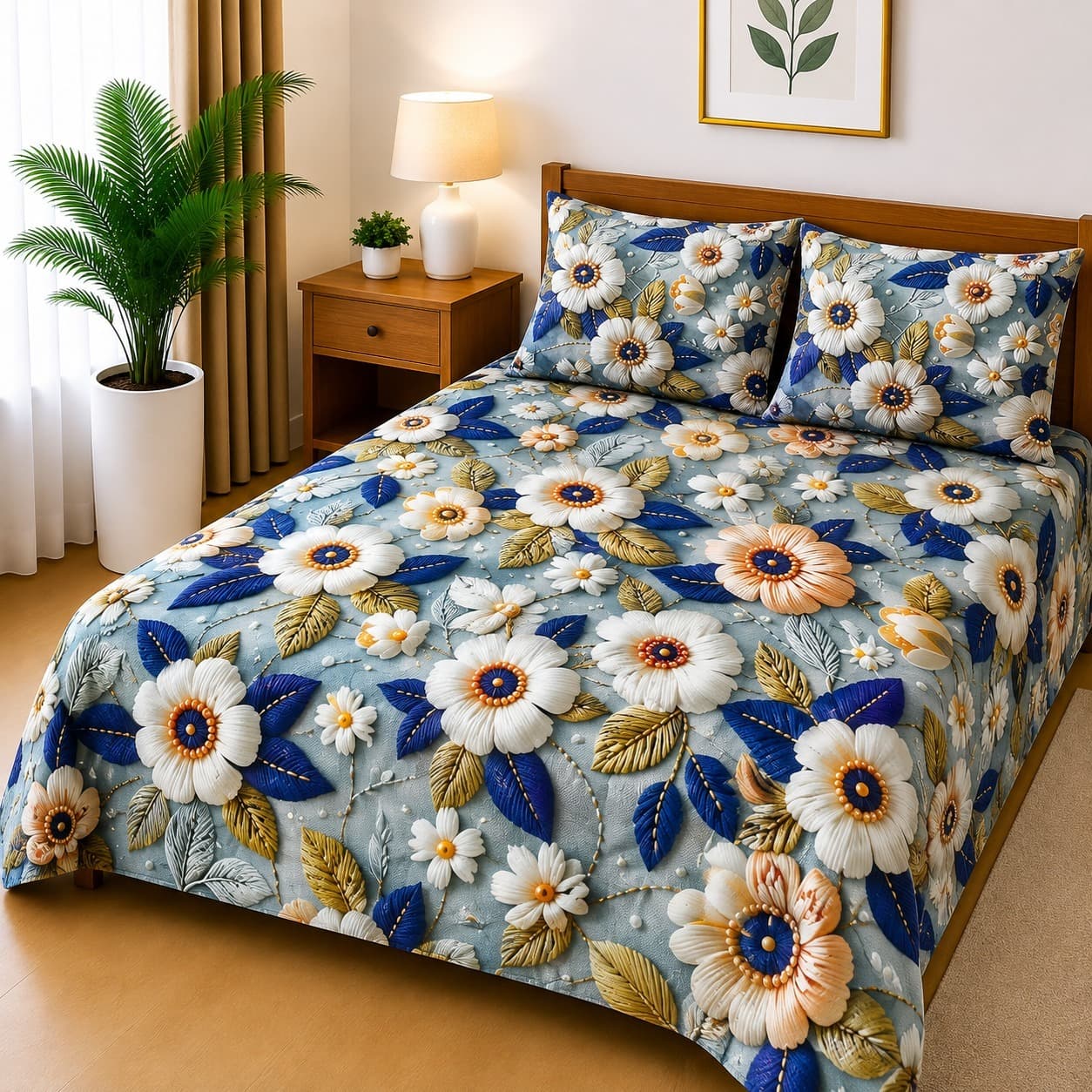
Thread Count vs. Fabric Type: How to Choose the Best Bedsheets for Your Sleep Style
Your visual guide
Choose fabric, then check the fit
1. Read the composition
Check fibre percentages. “Cotton” describes the fibre; it does not tell you the weave.
2. Compare the weave
Percale and sateen can feel different. Ask about the construction and a sample.
3. Measure all three sides
Record width, length, and total depth. Match the fitted sheet’s supported mattress depth.
Choosing bedsheets is easier when you start with how you like your bed to feel. Do you prefer a crisp surface or a smoother drape? Then check the material, construction, and dimensions before comparing thread counts.
What Thread Count Tells You
Thread count is the total number of lengthwise and crosswise threads in a square inch of woven fabric. It describes density, but cannot establish quality on its own. Fibre quality, yarn, weave, weight, and finishing also affect the finished sheet. Compare counts between similar fabrics rather than treating the largest number as the best option.
Separate Fibre from Weave
Cotton is a fibre; percale and sateen are fabric constructions. Cotton percale typically has a crisp, matte feel, while cotton sateen offers a smoother surface with more sheen. Two cotton sheets can therefore feel different even with similar thread counts.
When comparing bedsheets, look for clear fibre percentages, weave information, exact dimensions, and care instructions. A high thread count alone does not prove better quality.
Build a Shortlist Around Your Preferences
- You prefer a crisp bed: Look for a listed percale weave and ask about fabric weight and feel.
- You prefer a smooth finish: Consider a listed sateen weave, checking the composition rather than relying on words such as “silky”.
- You often feel warm: Ask about breathability and weight. Consider the protector, duvet, and room temperature alongside your sheets; thread count alone cannot predict sleeping comfort.
- You want simple laundry care: Compare the actual washing and drying instructions. For blends, check the fibre percentages and whether the care routine suits your household.
Measure Your Mattress Before Choosing a Size
Write down mattress width, length, and depth, including any topper. A “king” label alone is not enough because dimensions can vary between ranges. For fitted sheets, check the supported mattress depth; for flat sheets, allow the overhang and tuck you want.
For example, a 25 cm mattress with a 5 cm topper needs a fitted sheet specified to accommodate a 30 cm total depth. Compare that measurement with the product’s fit guidance rather than assuming its pocket depth guarantees a fit.
Check These Details Before Ordering
- Fibre composition and weave, where specified.
- Exact sheet dimensions and fitted-sheet depth.
- Whether the set includes a flat sheet, fitted sheet, duvet cover, or pillowcases.
- Pillowcase quantity and dimensions.
- Care instructions and your preferred colour or print.
The Ultimate Washing and Anti-Pilling Care Guide for Cotton Sateen
A gentle routine helps cotton sateen retain its smooth surface and protects colourful digital prints. Always follow the product care label first, especially when a set uses a cotton blend or has decorative finishing.
- Keep the temperature low: Wash in cold or lukewarm water below 30°C when the care label permits. Hot water can encourage cotton shrinkage and place extra stress on printed colours.
- Choose a mild detergent: Use a small amount of mild liquid detergent. Avoid bleach and harsh powder detergents, which can weaken fibres and dull the print.
- Reduce friction: Wash sheets separately from towels, denim, zips, and rough garments. Turn printed pieces inside out and use a gentle cycle to help limit abrasion and pilling.
- Dry gently: Line dry inside out in the shade to reduce direct sun exposure. If the label allows tumble drying, choose the lowest heat setting and remove the sheets promptly.
Now that you know how simple cotton sateen care can be, explore the latest Al Falah 3D digital bedsheet collection and check each design’s fabric and care details.
Explore our bedsheets and duvet covers and compare the details of each set. If a material or measurement is missing, ask us before choosing.
Thanks for reading! If you found this helpful, be sure to explore our full collection of premium home textiles.
Read Next
More guides and tips for your home textiles
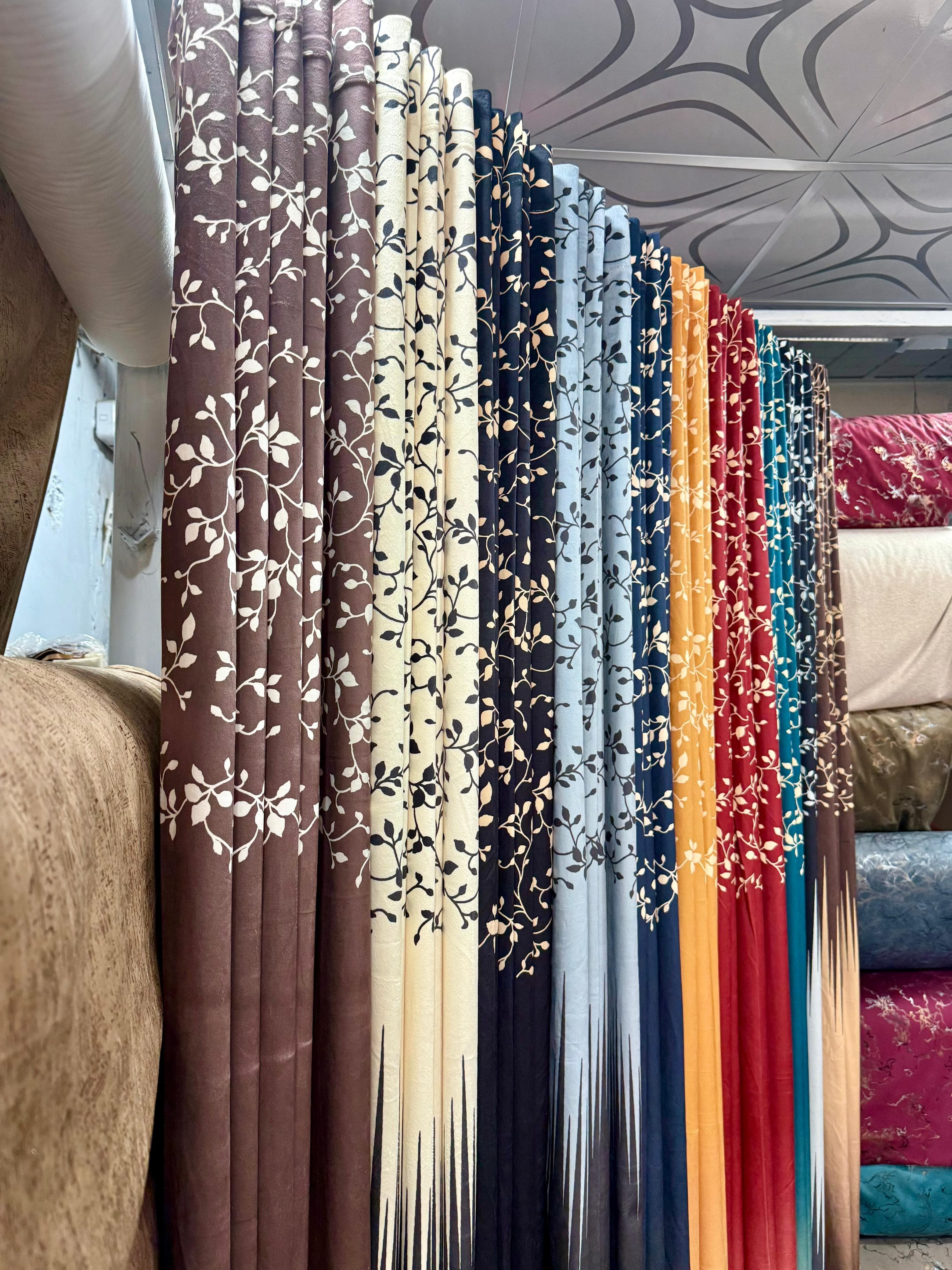
The Ultimate Guide to Measuring Your Windows for the Perfect Curtain Fit
Measure curtain width, choose the right drop, and calculate how many panels you need with a practical checklist and worked example.
How to Mix and Match Cushion Covers Like an Interior Designer
Create a coordinated sofa with simple colour palettes, balanced patterns, contrasting textures, and cushion sizes that leave room to relax.
The Best Sofa Covers and Fabrics for Homes with Pets
Compare fit, fur removal, surface texture, and washing needs before choosing a sofa cover for life with cats or dogs.